Paper Palace
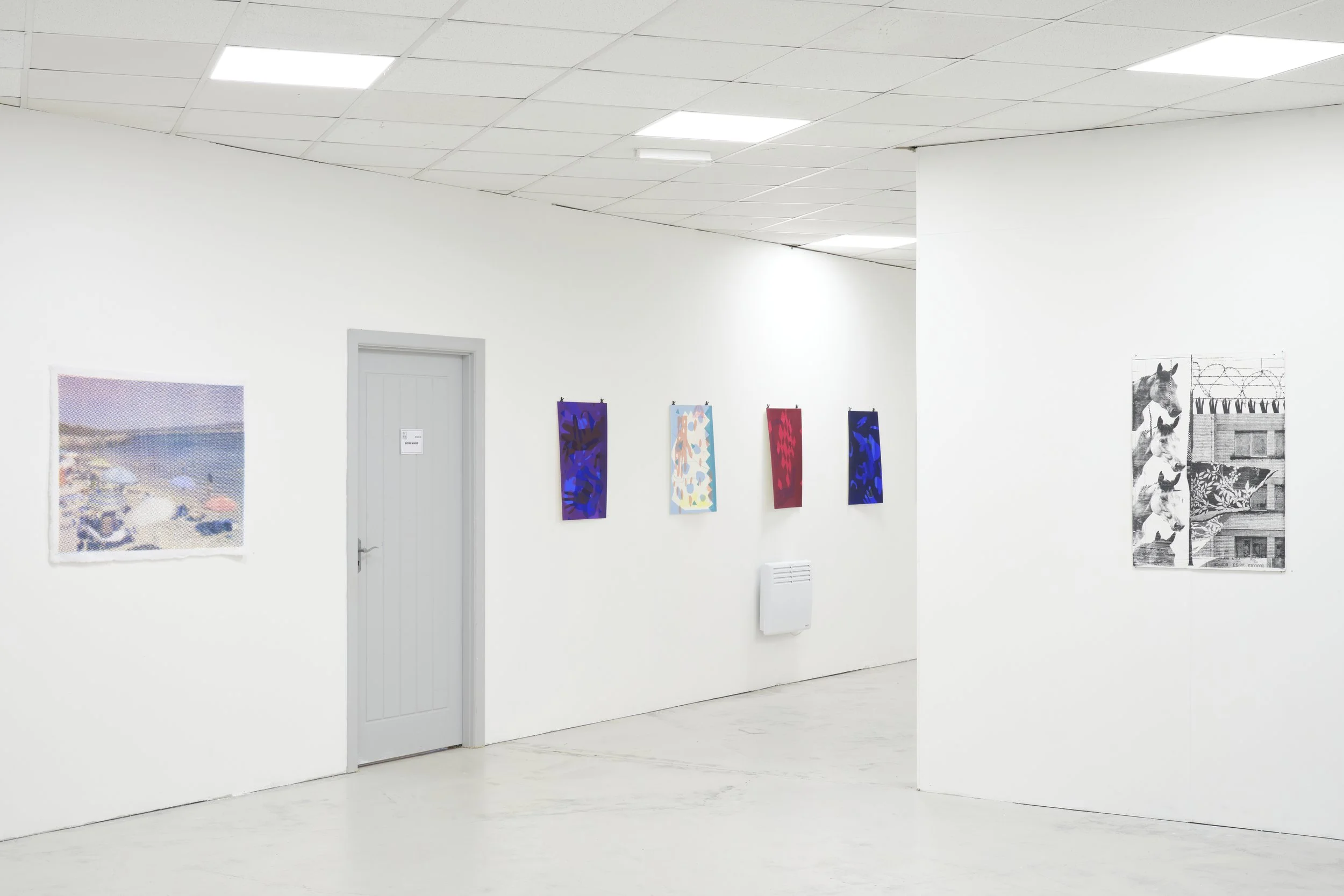
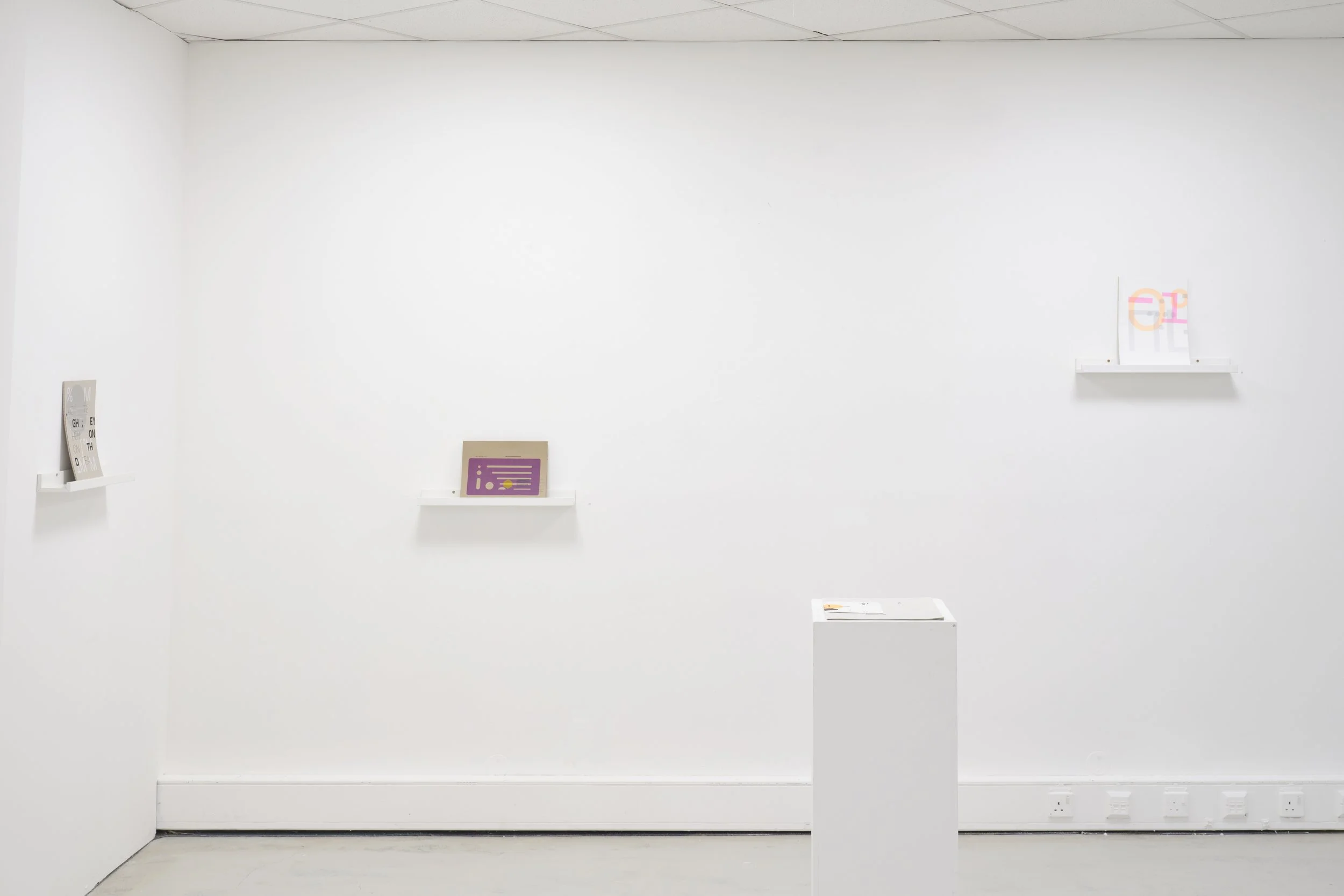
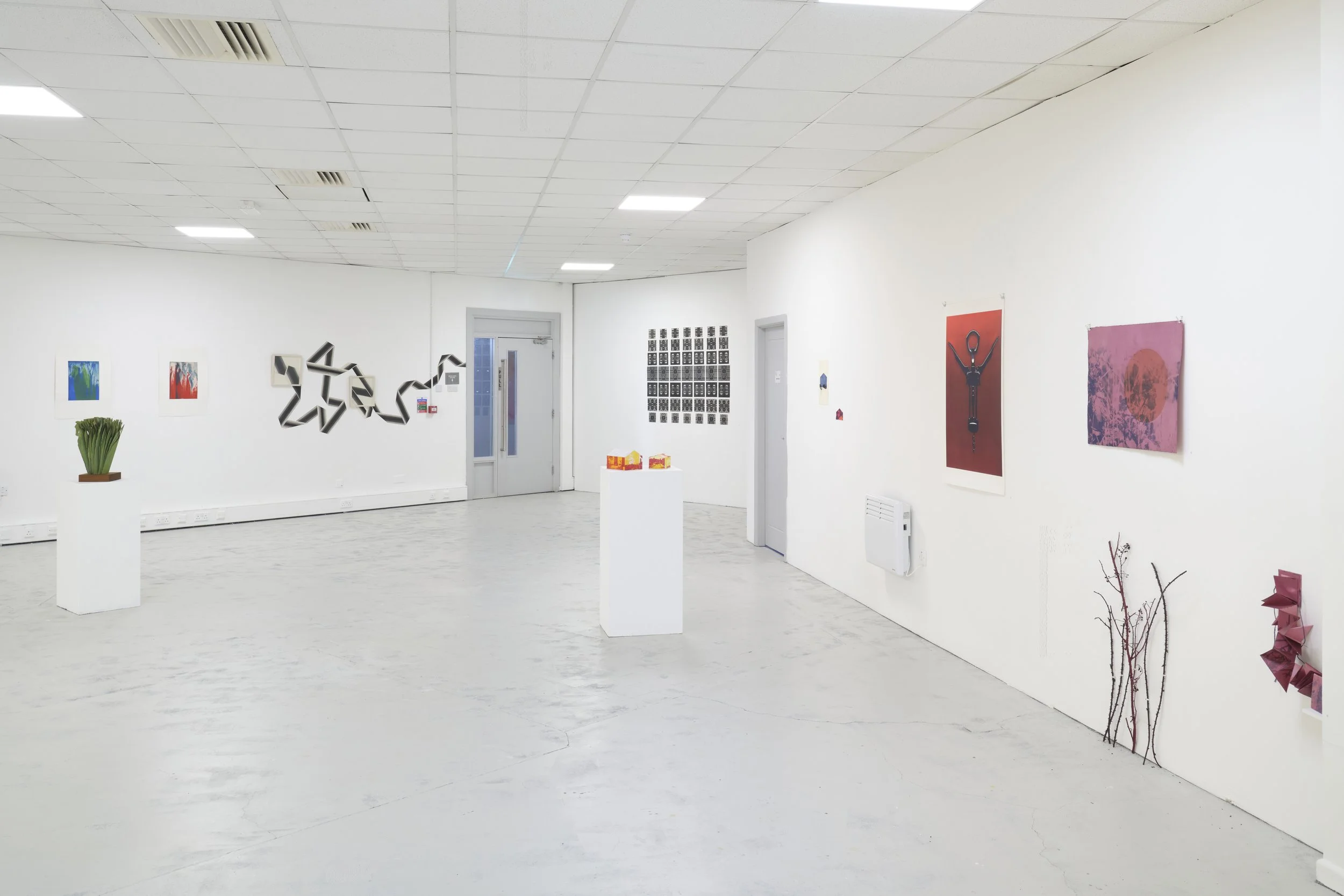
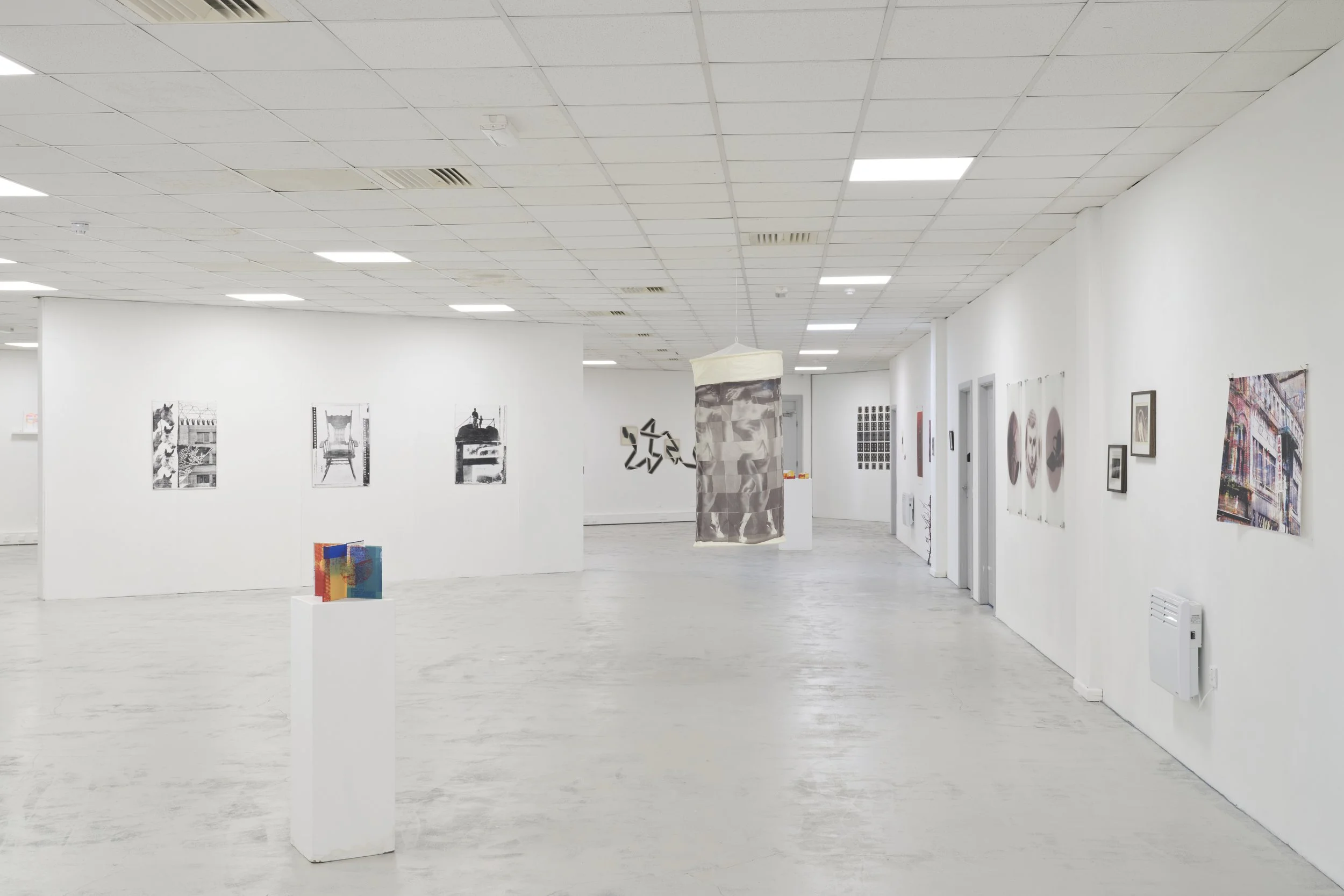
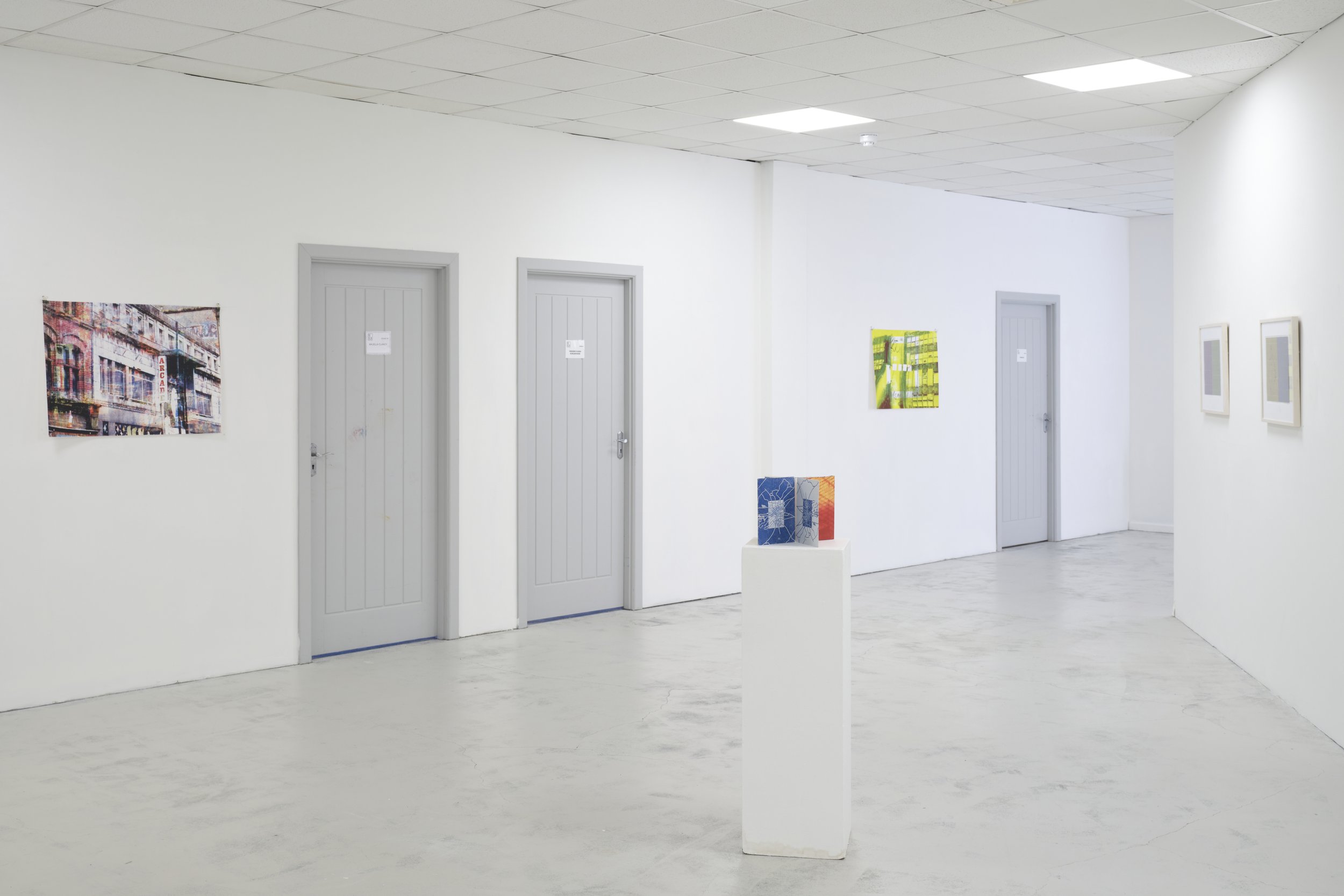
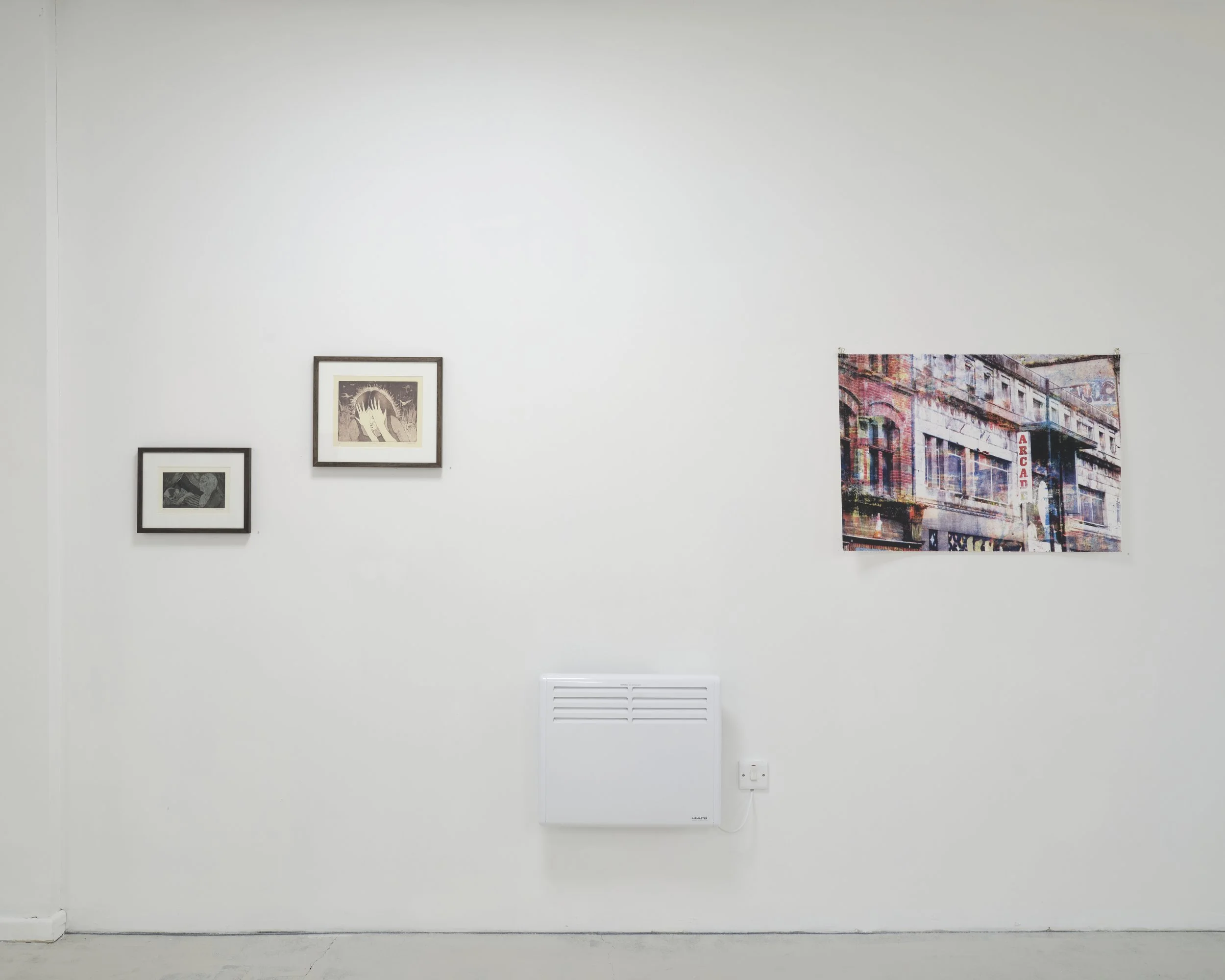
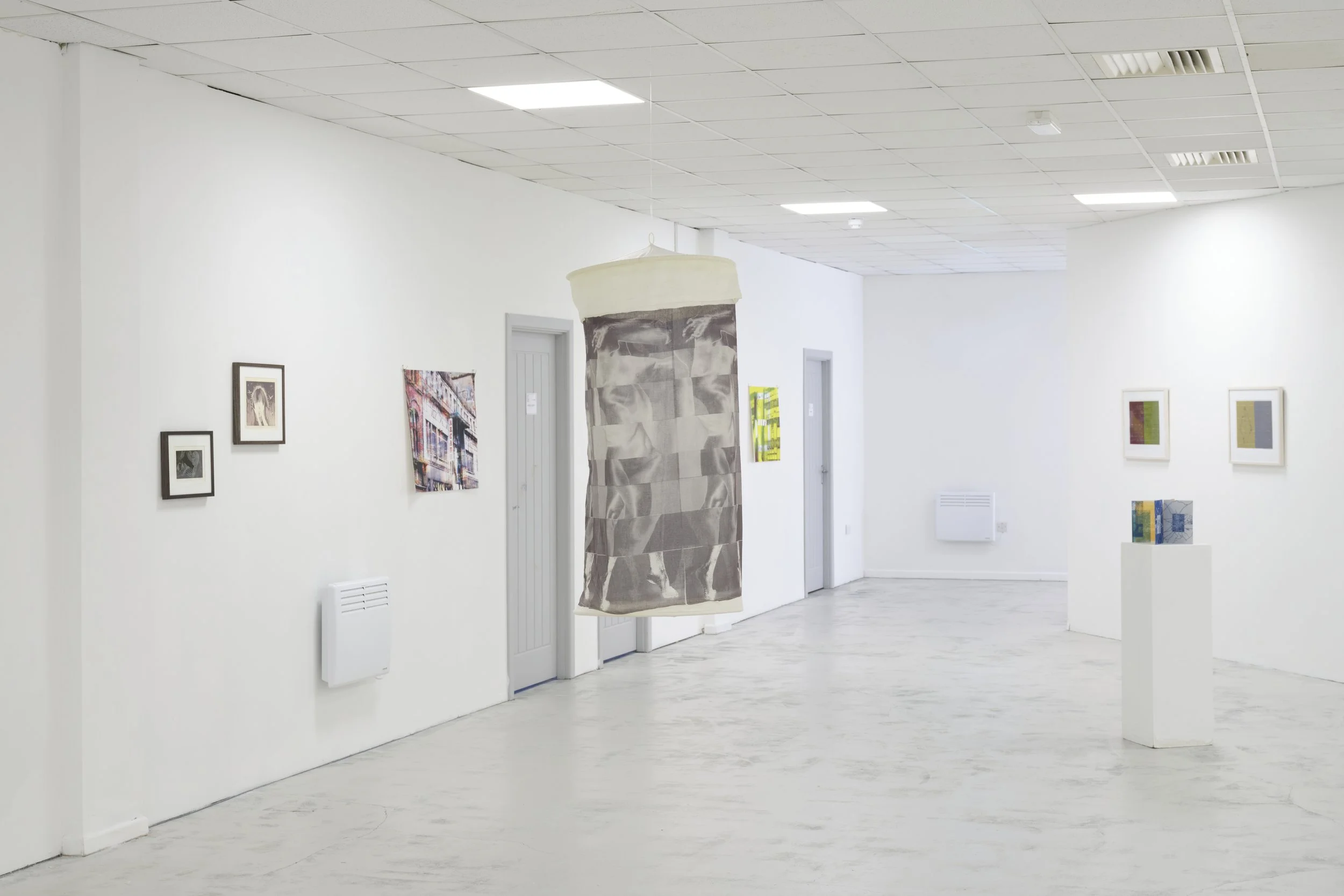
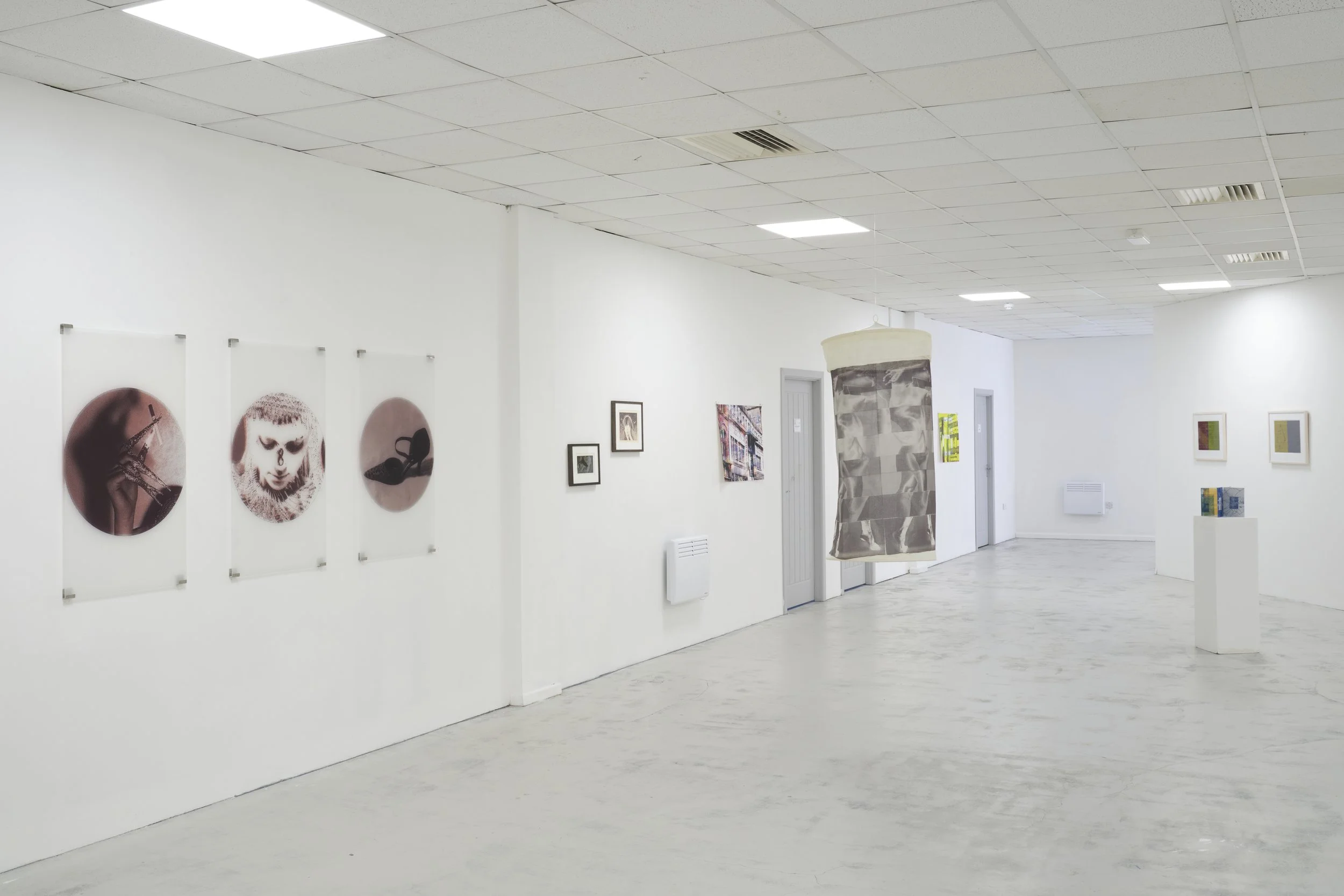
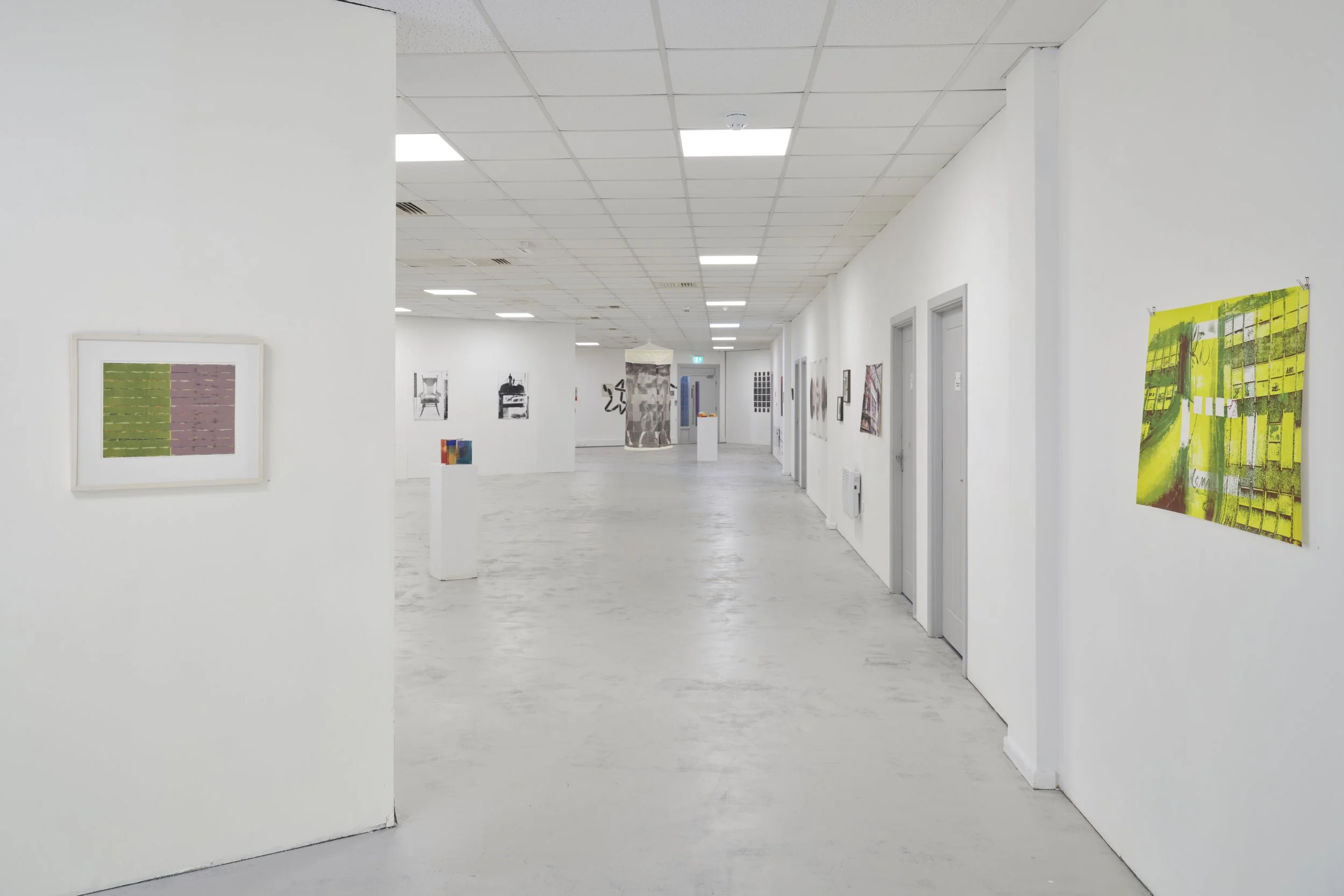
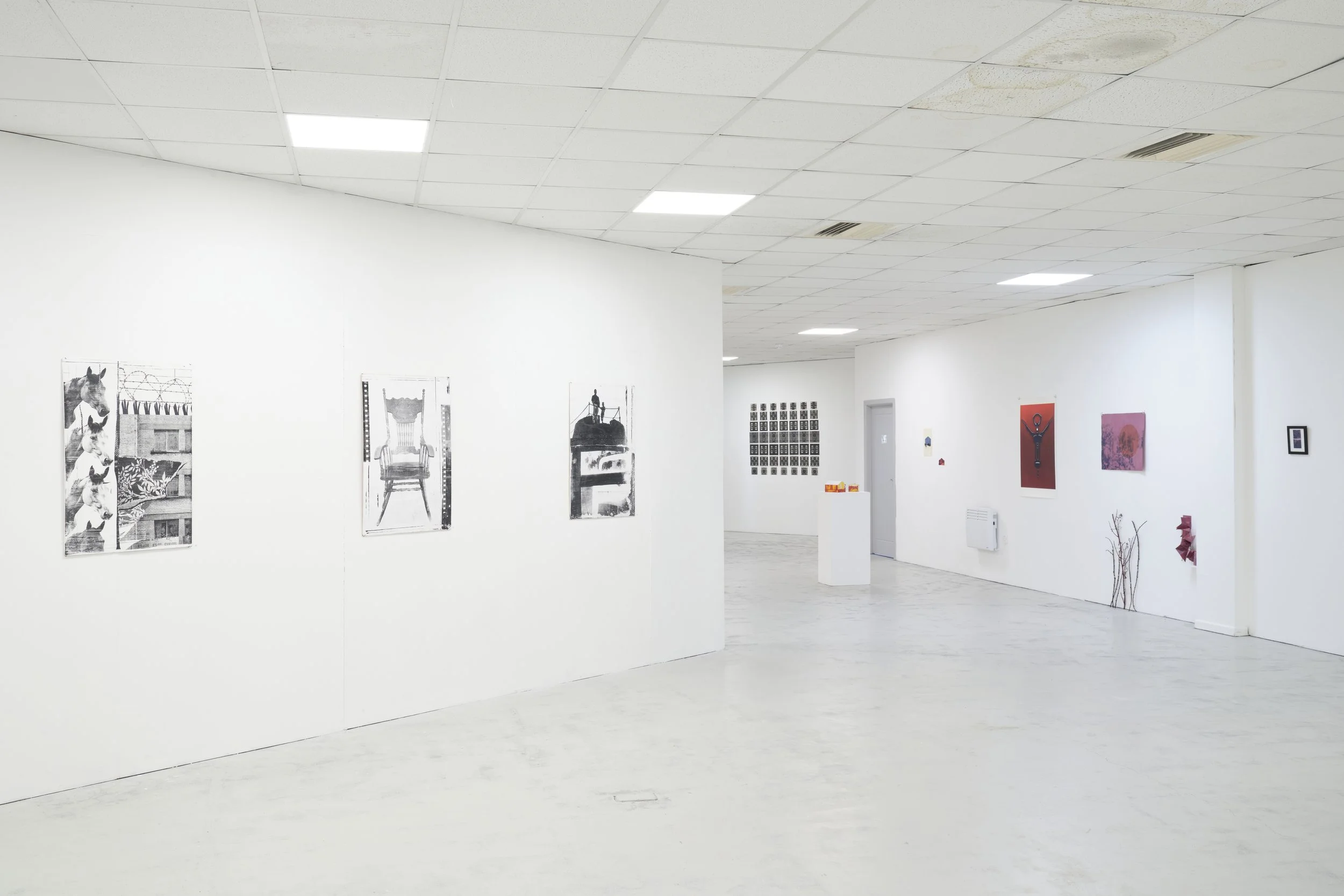
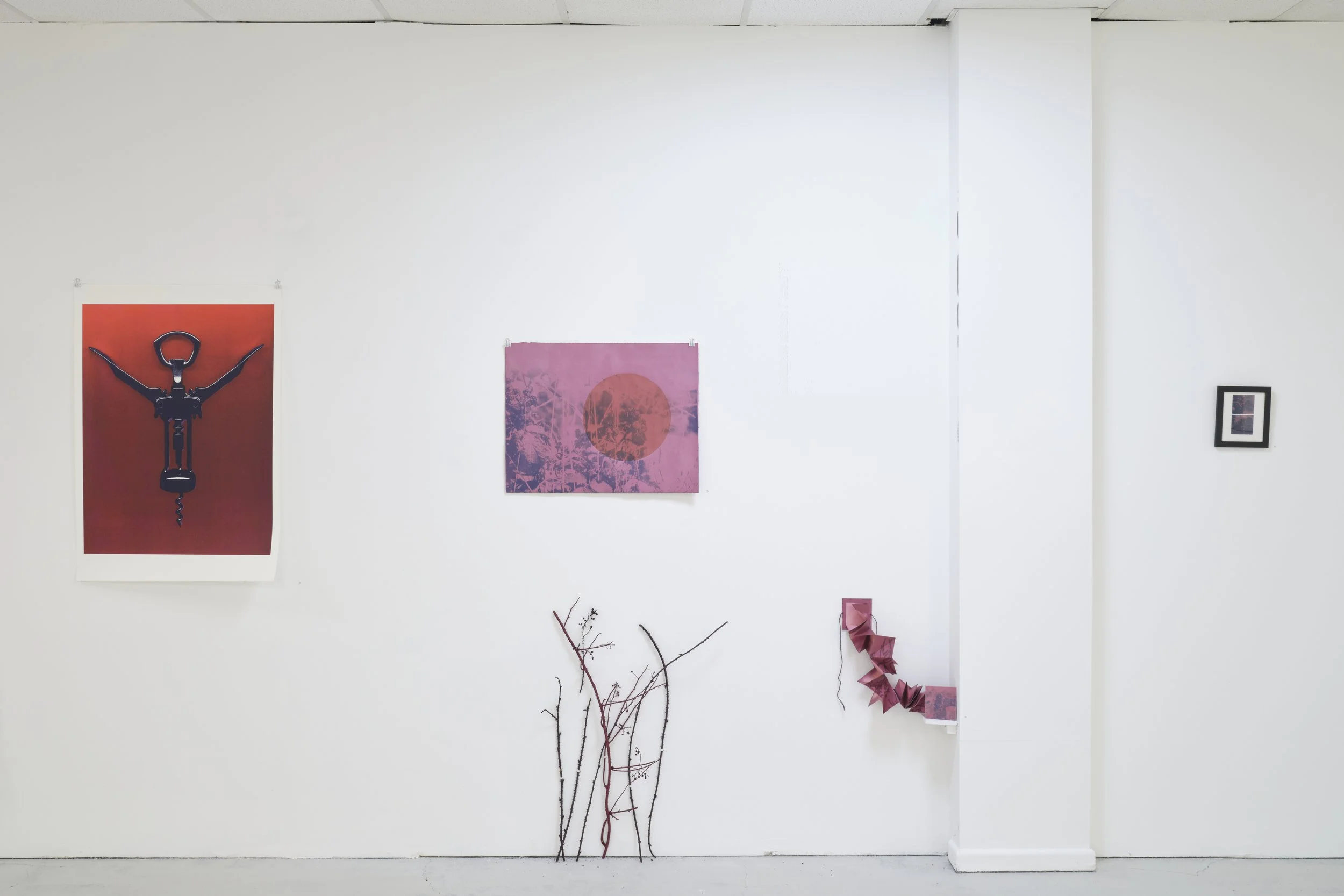
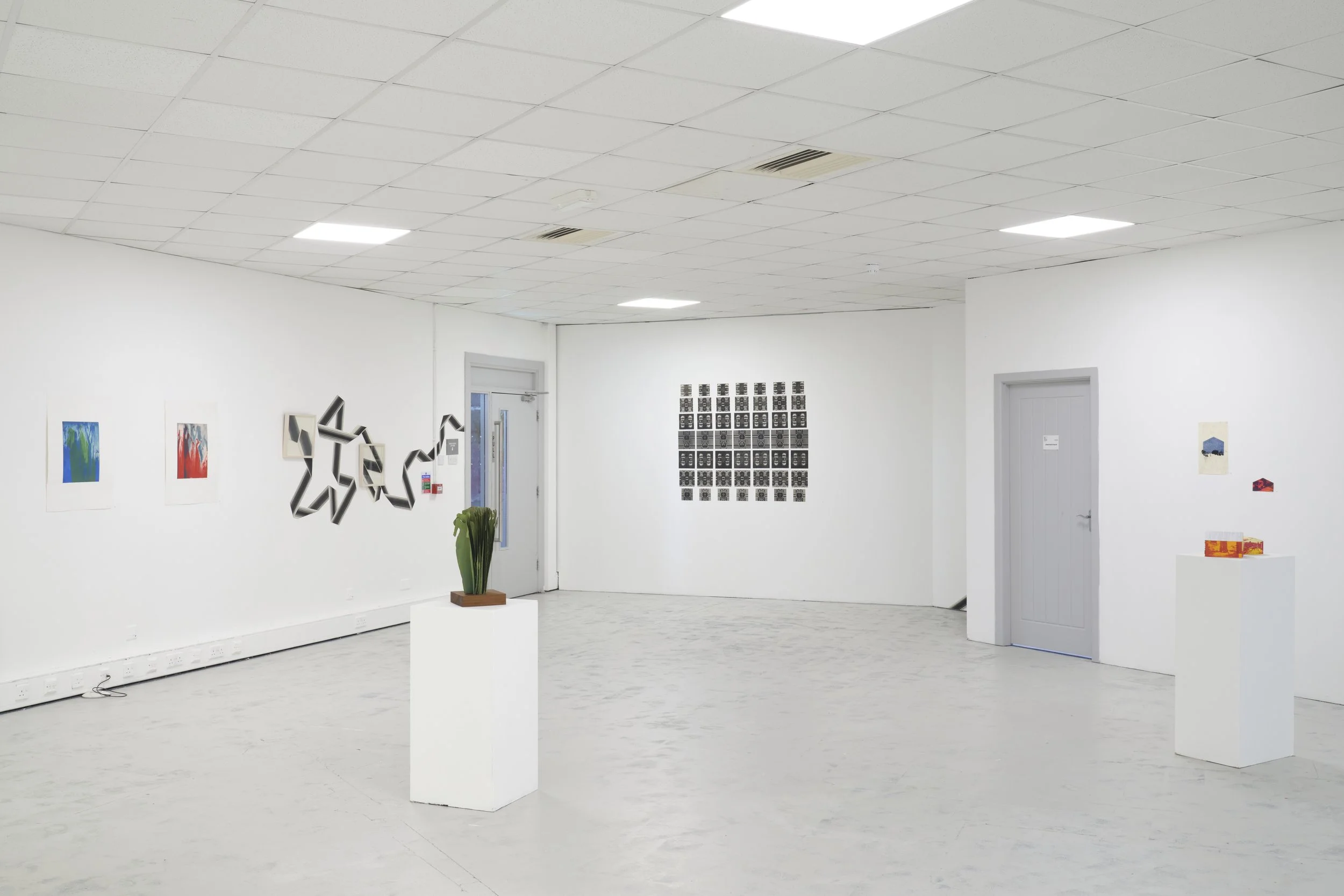
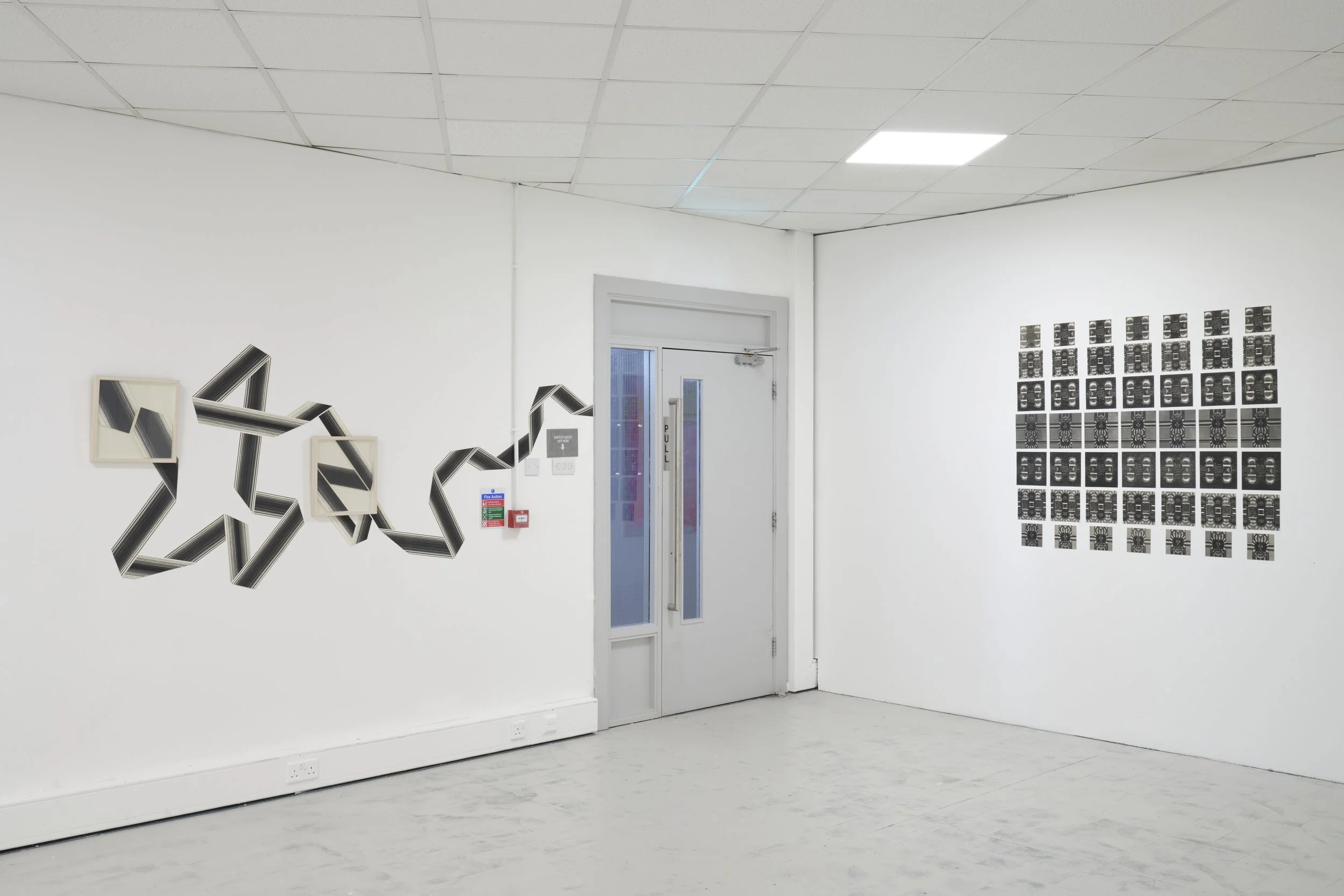
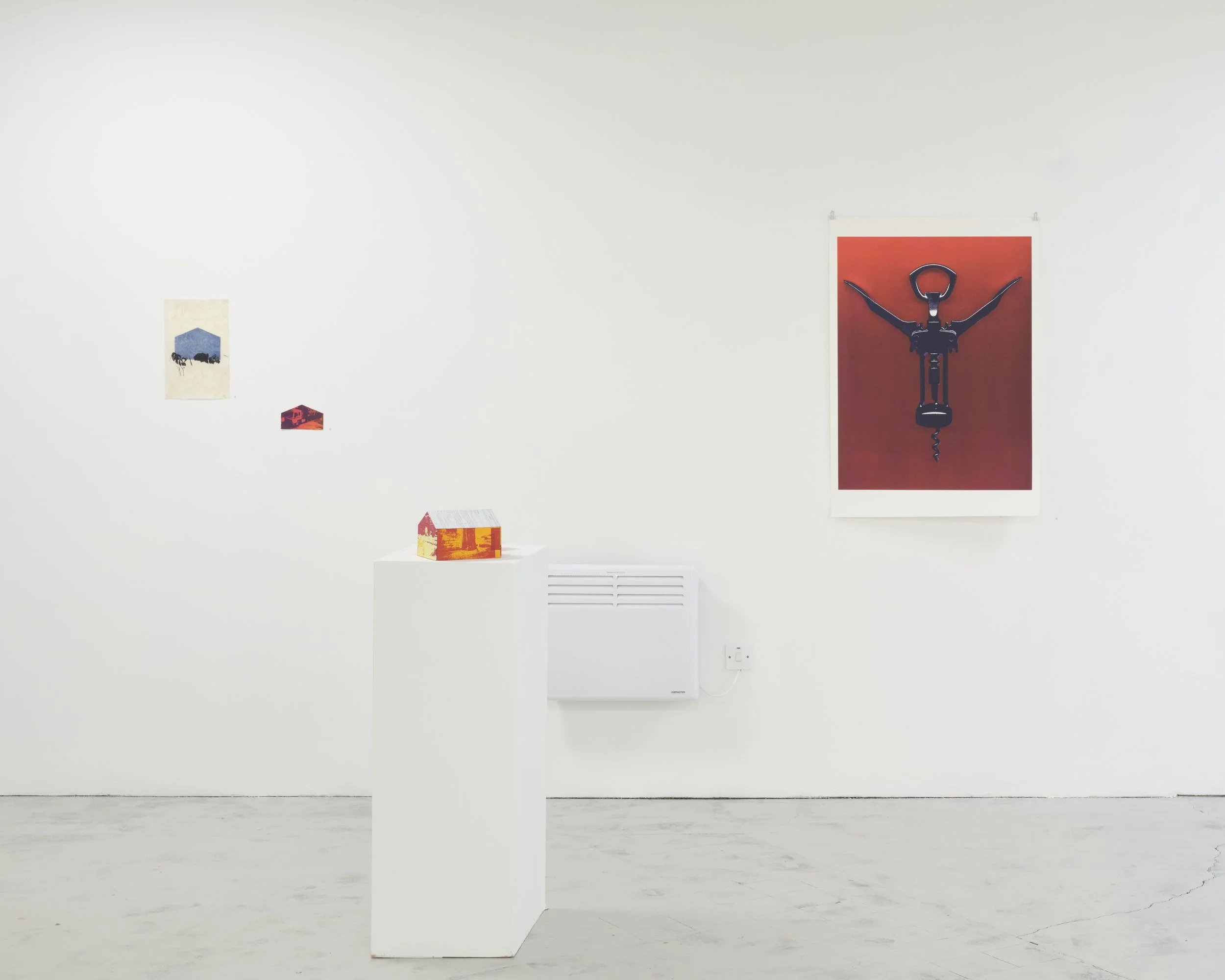
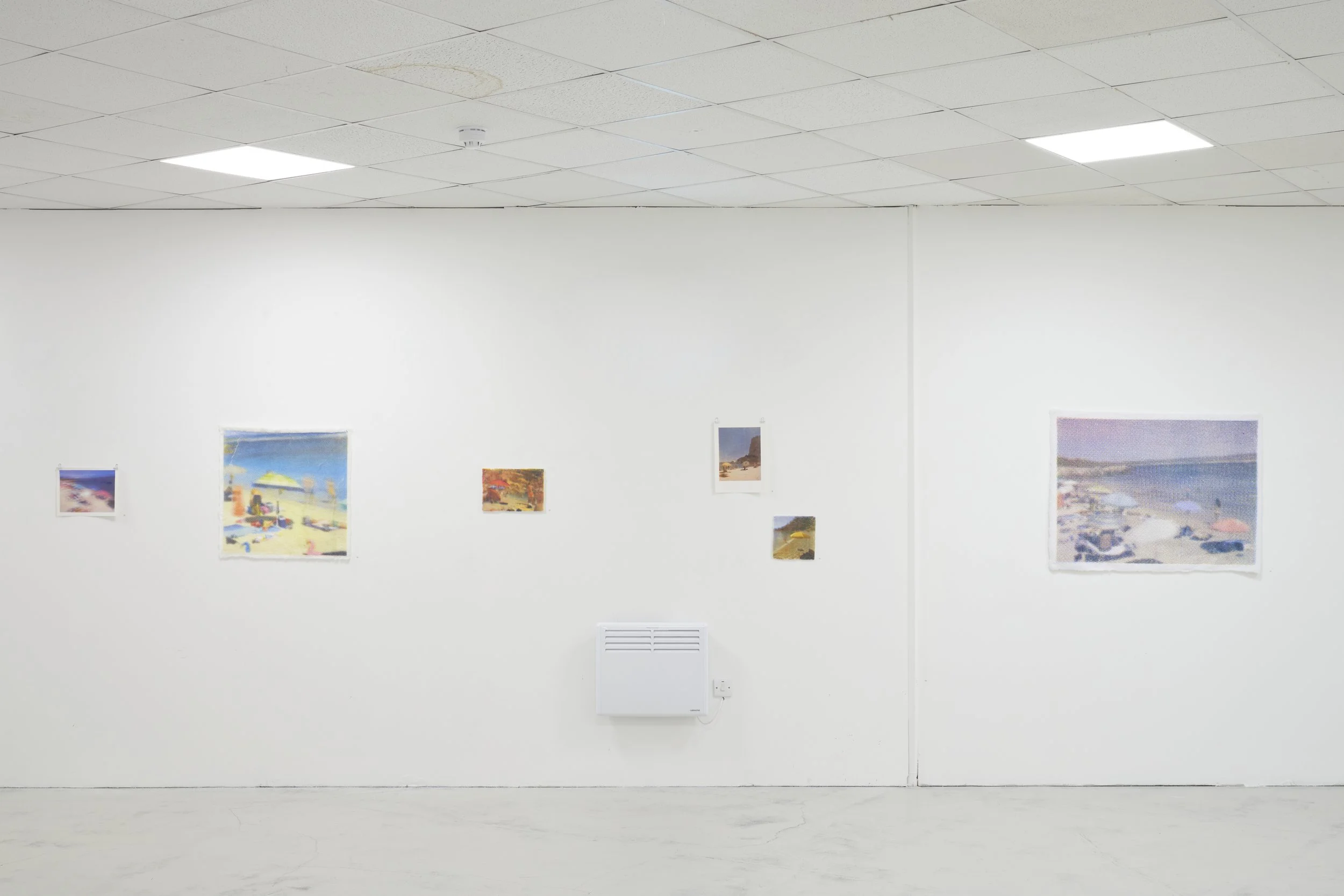
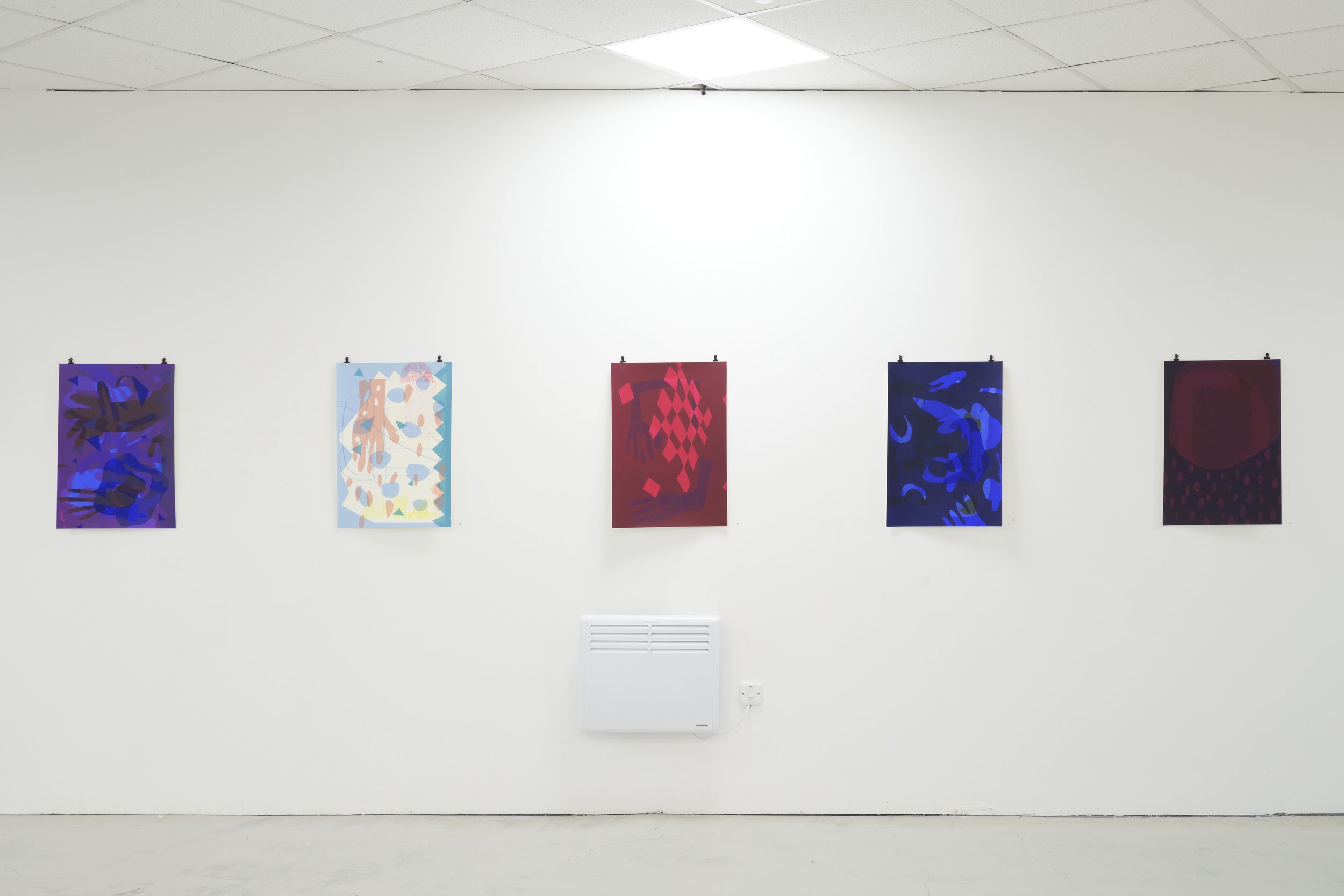
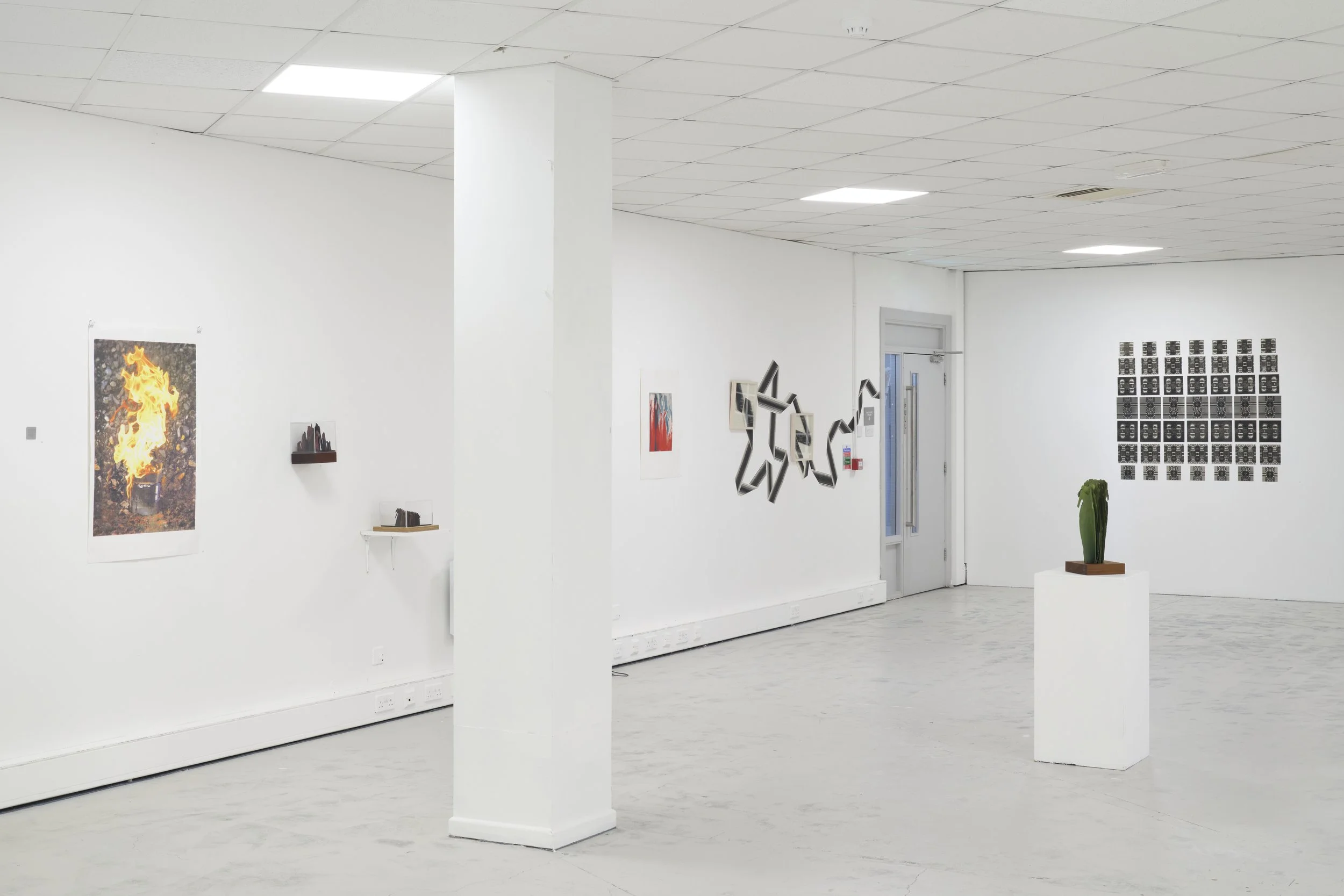
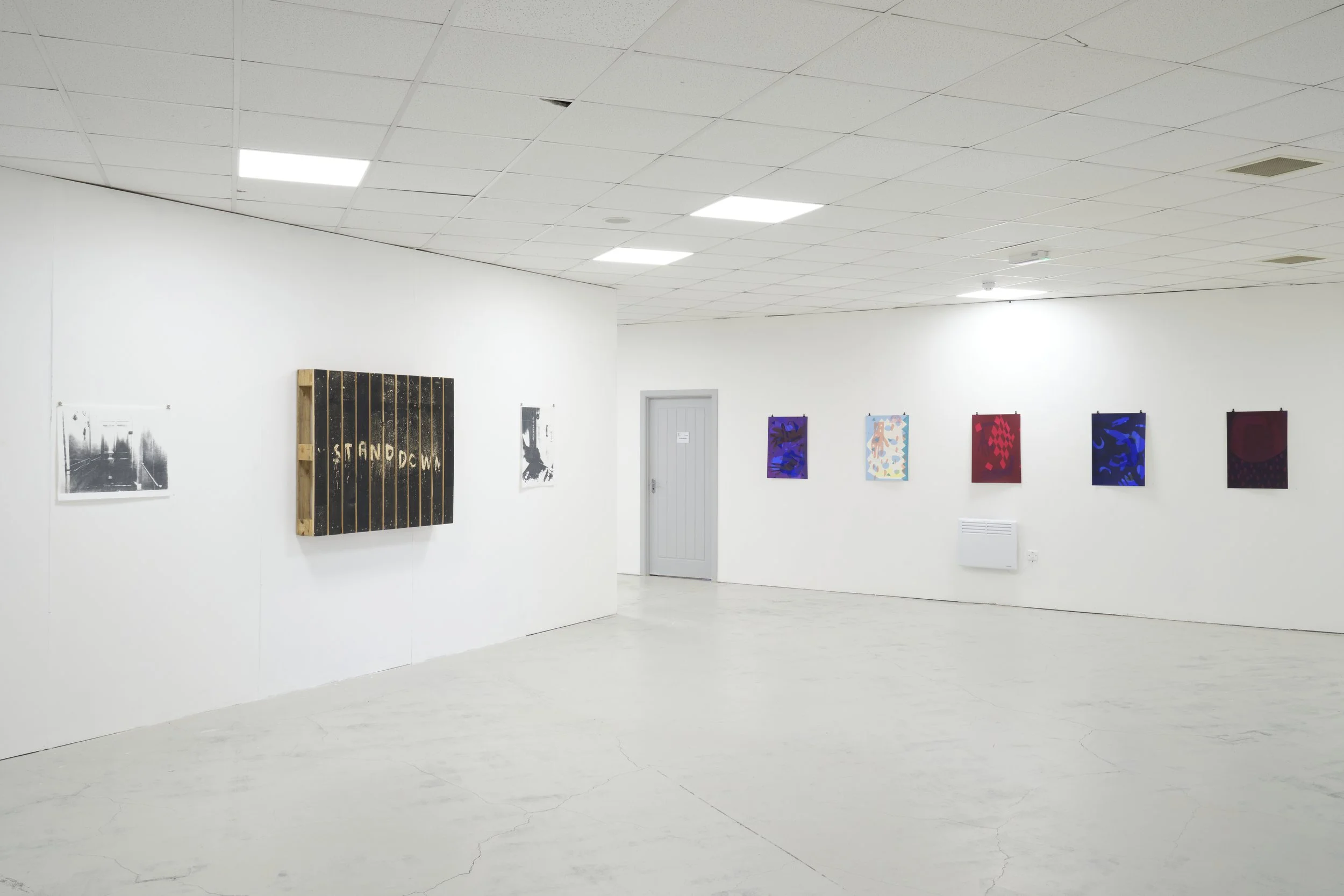
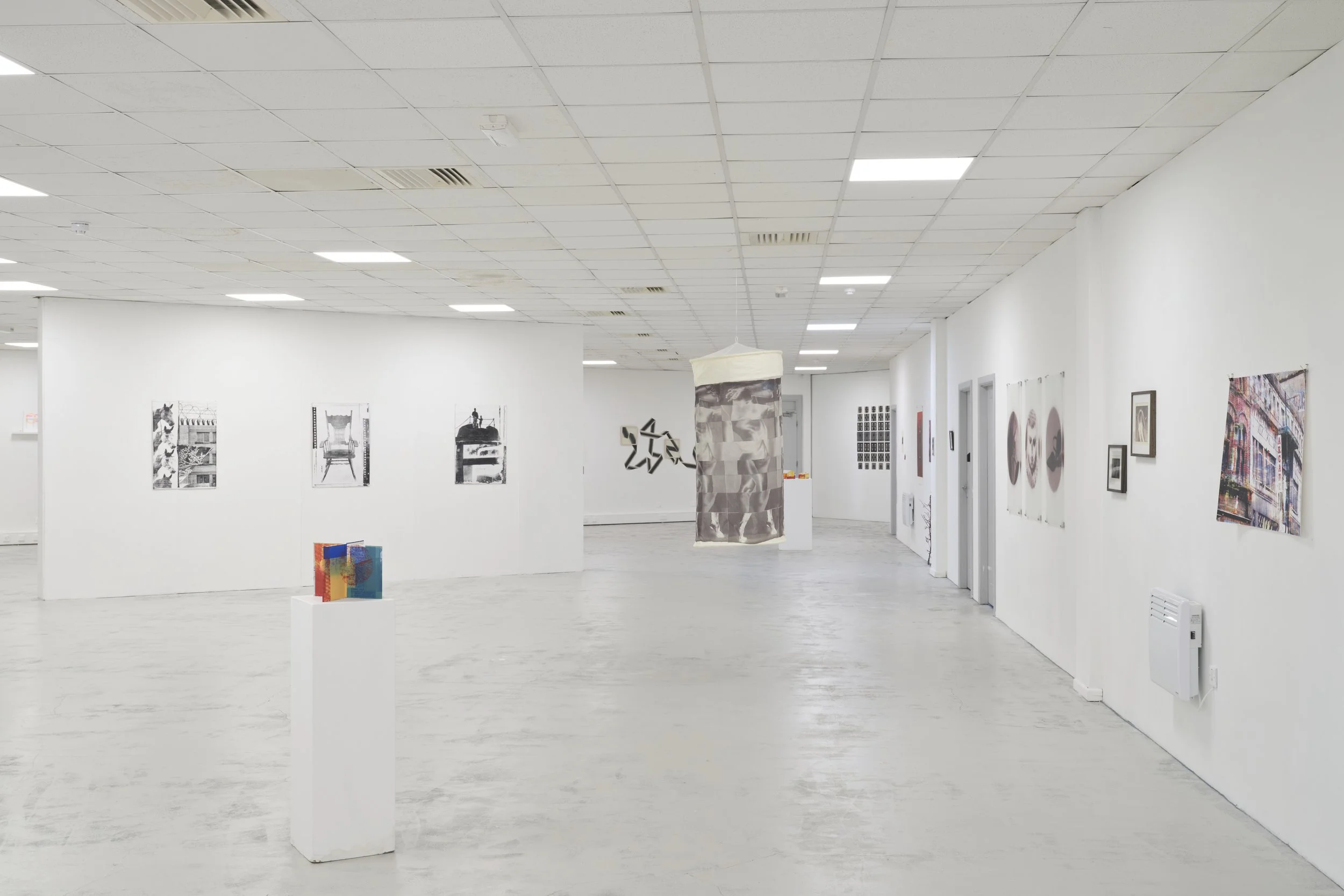
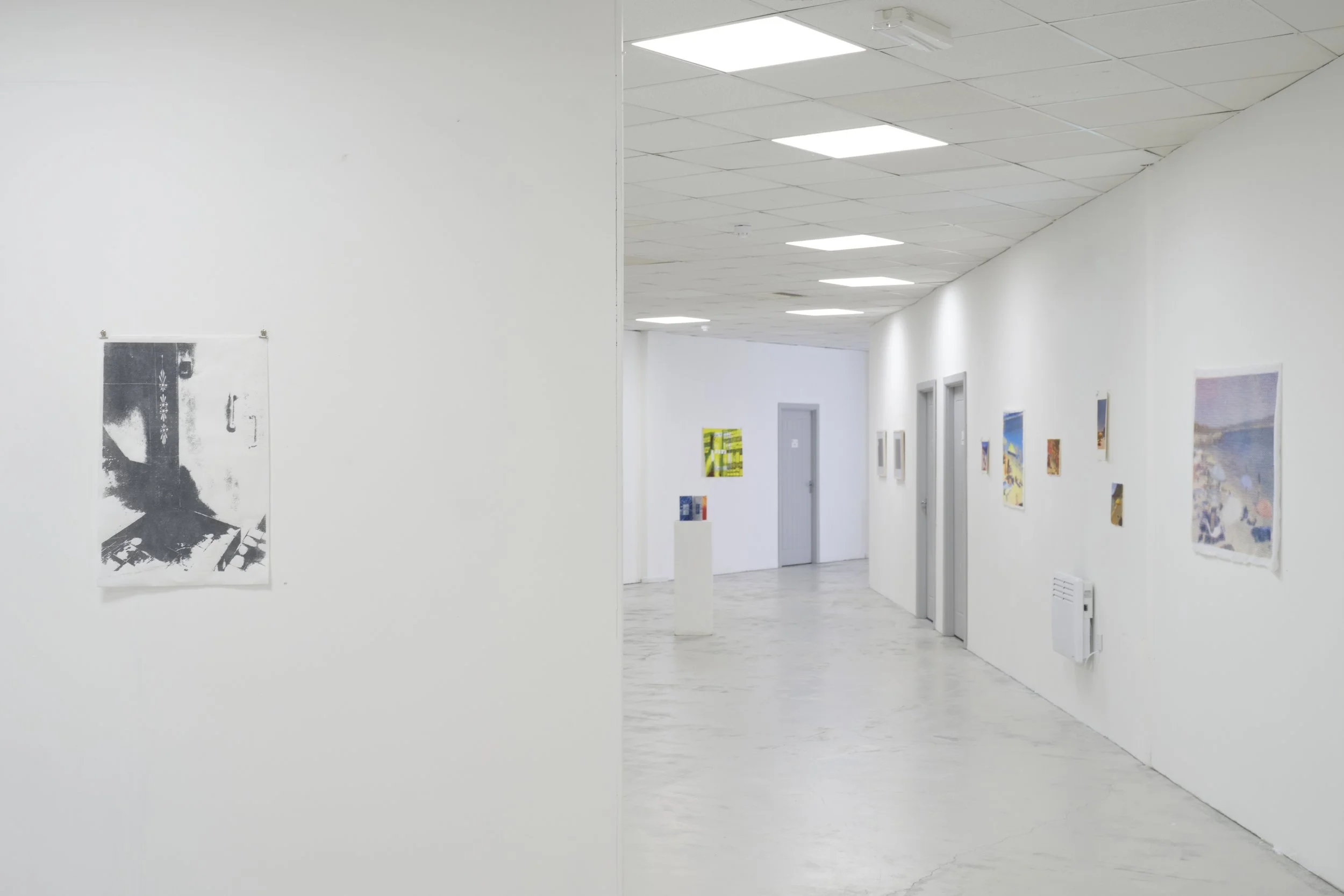
Queen Street Studios, Belfast, July 2026. Self-curated exhibition exploring expanded print practices, featuring 14 artists connected to Belfast School of Art.
Paper Palace Curatorial Text
Printmaking is a negotiation between artist and process, the push and the pull, control and chance.
Paper Palace brings together fourteen artists exploring printmaking as an expanded and interdisciplinary field. Moving across painting, sculpture, installation, photography, and material experimentation, the exhibition considers print not as a fixed discipline, but as a boundary breaking, fluid and evolving language. Some works embrace traditional techniques, while others lean into disruption and transformation. Together the works reveal print’s capacity to move past and across material, process and form. Paper Palace actively seeks to expand thinking, to both question and disrupt the hierarchies within Fine Art.
Anchored within a community connected to Belfast School of Art, Paper Palace brings together artists, graduates, and staff in an ongoing conversation shaped by shared knowledge, experimentation, and intergenerational exchange. While celebrating the inconnectedness of a print studio, workshop, and knowledge exchange at the heart of print.
Together a diverse range of practices exploring ideas of memory, migration, landscape, identity, grief, gender, language, and belonging emerge. Across the works, print becomes a means of tracing personal and collective histories, carrying fragments of experience across time, place and material. Rural and urban environments, domestic spaces, family archives, bodily experiences, and cultural narratives emerge as recurring points of investigation. Through print processes, transformation occurs, and the artists use print not simply as a method of image-making, but to record, communicate, and reimagine lived experience. Together, these works demonstrate print’s unique capacity to expand beyond its traditional boundaries.
The exhibition draws on printmaking as more than simply technique, but a means to extend far beyond transfer. Here we witness the ability to travel, to communicate, the movement of image from one surface to another. The relationship between artist and print could be described as the same as that of painter and canvas. An image is approached through process, built through layers, gesture, colour and intuition. Yet print introduces another presence into the conversation, a hidden narrator. Between matrix and substrate something shifts, a magic that happens between acid and plate, exposure and image, pressure and impression.
Perhaps this impulse stretches beyond the print studio itself, a desire to leave a mark, to communicate across distance and time. Print has long occupied an unusual position: both democratic and intimate, reproducible yet deeply handmade. Historically tied to commerce, industry, circulation, and exchange, it has continuously adapted to shifting technologies and cultural landscapes. Yet contemporary print no longer exists solely as an edition on paper. It spills into space, surface, object, image, and experience.
Here, print becomes not merely technique but a way of thinking, one capable of existing across disciplines while retaining the traces of touch, labour, and process.Perhaps this is print’s quiet power, its ability to hold contradiction. To be both controlled and unruly, singular and multiple, historical and contemporary. To exist not only on paper, but beyond it. Paper Palace unfolds without a structure offering a space where material, process, and narrative can emerge, inviting audiences to experience print not as fixed, but endlessly unfolding.